
Creating STICKY Memories
How Multi-Sensory Experiences Build P-3 Brains
“Students don’t store learning as facts, they store learning as experiences.
It is our job to design experiences worth remembering.”
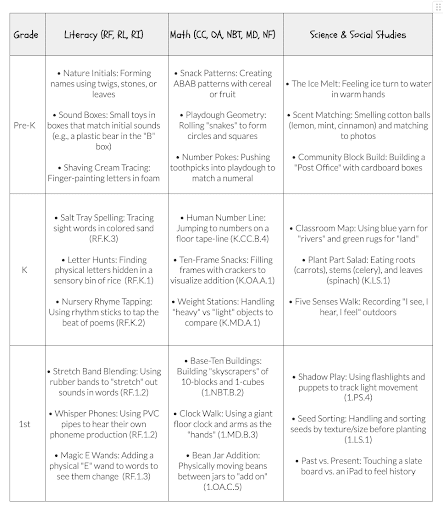
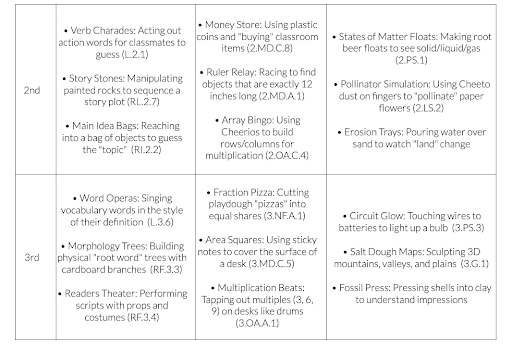
Children aren’t meant to sit still and absorb. They are biological “doing” machines. Whether it’s a preschooler squishing playdough or a third grader building a 3D topographical map, young children don’t just learn with their ears and eyes—they learn with their entire bodies. For educators and parents in the P–3 space, multi-sensory learning is more than a teaching strategy; it is a biological necessity. Engaging multiple senses simultaneously doesn’t just make a lesson more fun—it strengthens neuroplasticity. By firing multiple neural pathways at once, we ensure the learning “sticks.” – And the good news? You don’t need a big budget or a fancy classroom. You need purposeful design.
Why It Works: The Brain’s “Hooks”
When children learn through touch, sound, movement, and sight together, the brain doesn’t just file a fact—it stores an experience. Experiences are far more durable than isolated data points.
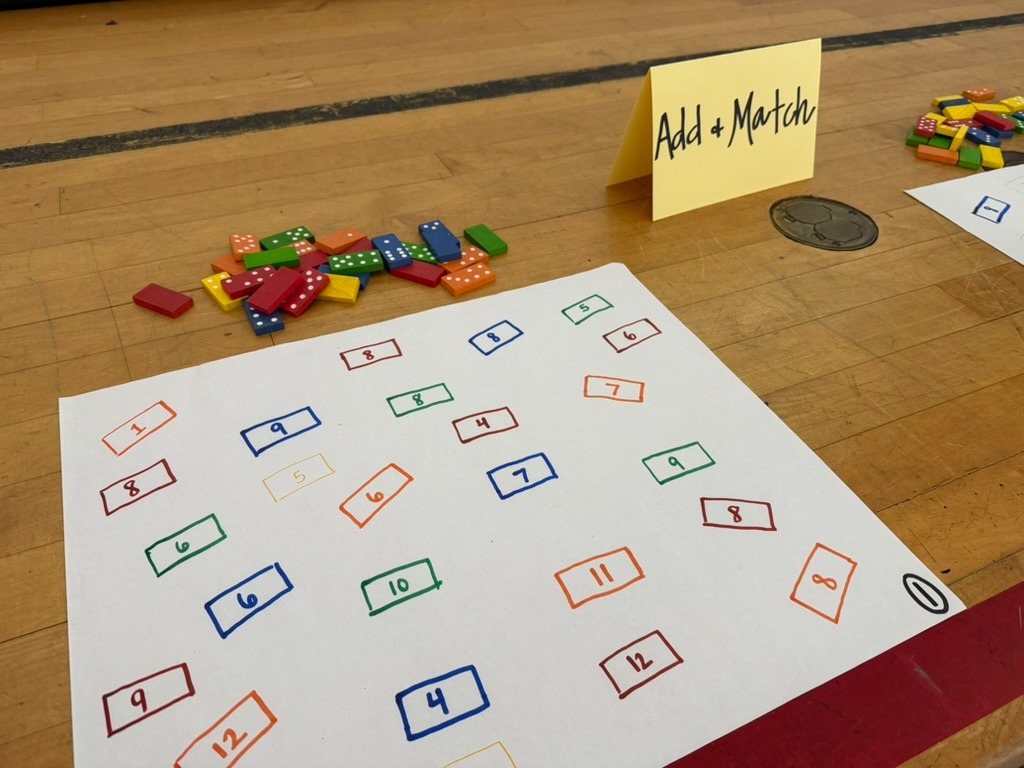
The Brain’s Hooks: Multi-sensory learning gives the brain multiple “hooks” to hang a concept on. If a child forgets the sound of a word, they may remember the texture of the sand they traced it in. If they forget a definition, they remember the physical movement of the simulation. They can find their way back to the knowledge through any one of these sensory paths.
In the P–3 years, children’s brains are growing at a remarkable pace. The richer and more varied the sensory input, the stronger the neural foundations being laid.
Building Bridges
The approach naturally evolves as children grow. In the early years, sensory learning is about direct discovery. By 2nd and 3rd grade, it becomes a bridge to abstract thinking. The body is still doing the thinking—it’s just thinking bigger thoughts.
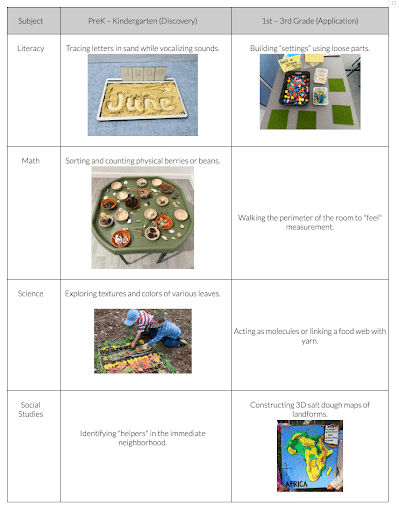
Low Budget, High Intention
You don’t need expensive kits to engage a child’s brain. You can start this Monday morning with simple, zero-cost shifts:
- Air Writing: Have students write vocabulary words in the large muscles of the air using “elbow pencils.”
- Mystery Bags: Place an object related to your lesson in an opaque bag; let students feel it and describe the texture before revealing it.
- Rhythm Tapping: Use desks as drums to tap out the syllables in new words or the patterns in a multiplication sequence.
Play Is High-Level Brain Work
When we see a kindergartner mixing colors at a sensory table, a first grader acting out the water cycle, or a third grader building and testing a bridge design, we aren’t just seeing engagement—we are watching the brain make powerful connections. Play-based and sensory-rich experiences activate multiple areas of the brain at once, helping learning move beyond short-term memorization and into deeper understanding.
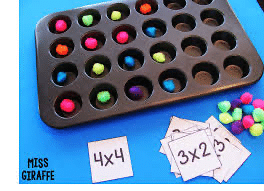
In first through third grade, children still learn best when they can touch, move, talk, build, create, and experiment. A math game with movement strengthens number sense. Science investigations with real materials deepen inquiry and vocabulary. Story retelling through puppets, dramatic play, or art strengthens comprehension and language development. These experiences create “sticky learning” because children connect concepts to action, emotion, and experience.
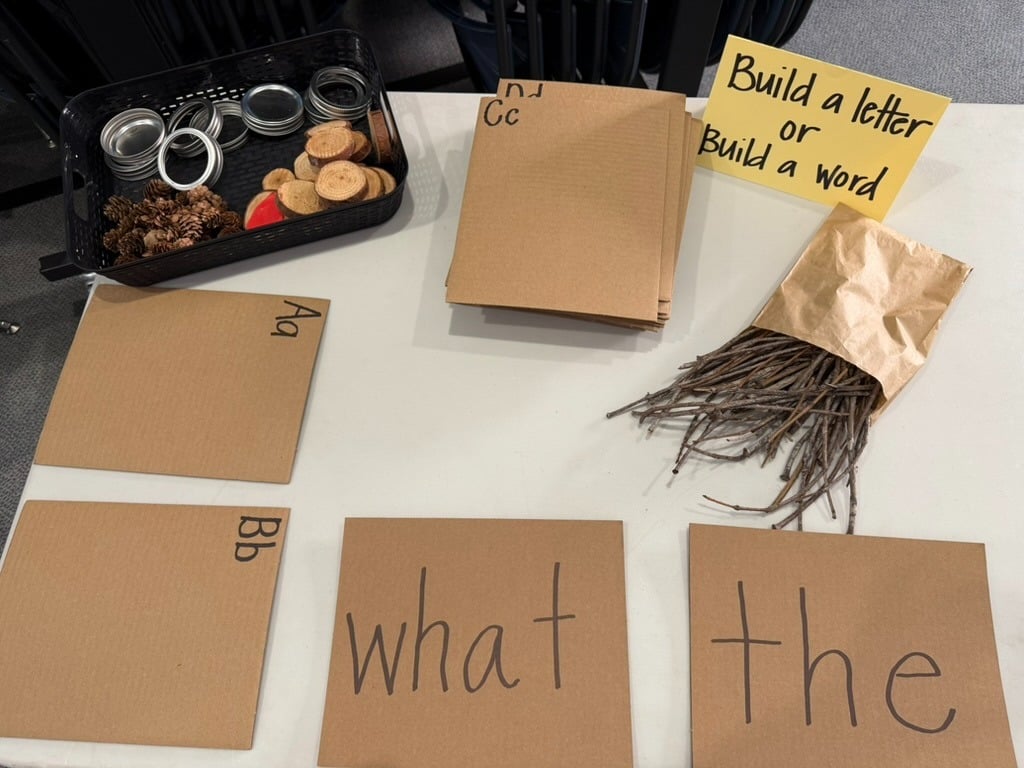
As academic expectations increase in the primary grades, sensory learning is not something we move away from—it becomes even more important. Hands-on exploration supports attention, problem-solving, collaboration, and memory while helping students develop confidence as thinkers and learners. Through play, students practice persistence, creativity, communication, and flexible thinking: the very skills they will use throughout school and life.
By honoring the way children naturally explore the world, we give them learning experiences that last. We aren’t just teaching standards; we are helping children build the tools they’ll use to navigate and make sense of the world around them.